|
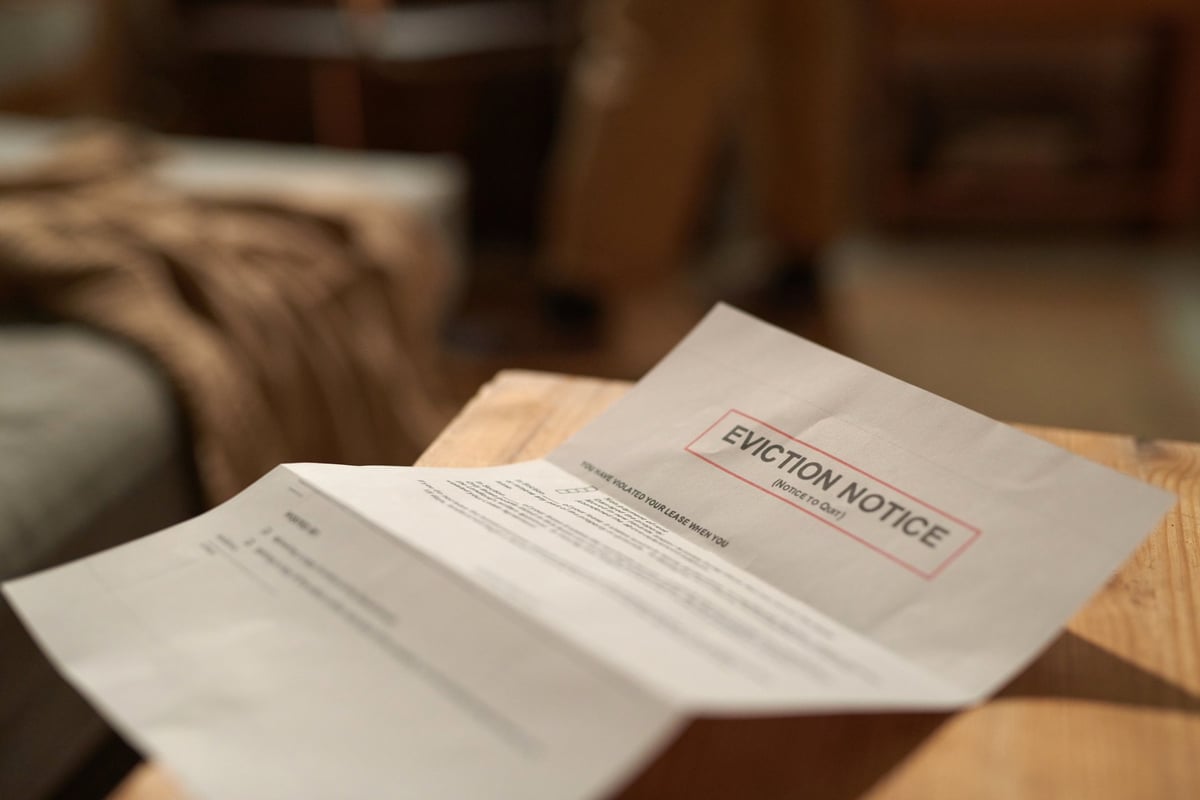
Few things are more stressful for a landlord than a tenant not paying rent in Ontario. You've found a great tenant, the lease is signed, and then — nothing. The rent doesn't arrive. Or worse, it stops coming altogether.
When this happens, many Ontario landlords panic or make costly mistakes by taking matters into their own hands. The truth is, dealing with non-paying tenants requires patience, proper documentation, and strict adherence to Ontario's landlord-tenant laws.
This guide walks you through exactly what to do when a tenant doesn't pay rent in Ontario, including your legal options, the eviction process, common mistakes to avoid, and how property management in Ottawa can help you navigate this difficult situation professionally.
Understanding your landlord rights in Ontario is the first step to protecting your investment and recovering your rental income.
Ontario has strict laws governing the eviction process in Ontario. As a landlord, you must follow these rules precisely — failure to do so can result in fines, delayed evictions, or even having your case dismissed.
The N4 notice is your first formal step when rent is overdue. It informs the tenant that they owe rent and gives them a deadline to pay or vacate.
The LTB is the government body that handles landlord rights in Ontario and tenant disputes. All eviction applications must go through them.
Here's a step-by-step timeline of what to expect when dealing with non-payment:
Contact the tenant immediately. There may be a simple explanation (bank error, forgot, etc.). Document all communication in writing.
Send a written reminder (email or text) requesting payment. Set a clear deadline. If no response, proceed with the N4 notice.
Serve the N4 notice in person, by mail, or by posting it to the door. Keep proof of service. The tenant has 7 days to pay or vacate.
If rent remains unpaid after the N4 period, file an L2 application with the LTB. Include all documentation: lease, N4 proof, rent history, communication records.
The LTB will schedule a hearing (2-4 weeks typically). Prepare your evidence and documentation. The hearing is usually held by video conference.
Present your case clearly and professionally. The adjudicator will make a decision — usually within days. If successful, you'll receive an eviction order.
If the tenant doesn't vacate voluntarily, you must file with the Court Enforcement Office (Sheriff). They will schedule the physical eviction — typically within 2-3 weeks.
Total Timeline: From first missed payment to regaining possession typically takes 3-6 months minimum. During busy LTB periods, it can take longer. This is why prevention through proper tenant screening is so important.
When dealing with non-paying tenants, avoid these costly mistakes:
Never change locks or remove doors/windows without a court order. This is illegal self-help eviction and can result in fines of $10,000+ and your case being dismissed.
Never remove a tenant's belongings or store their items elsewhere without following proper procedures. This can lead to significant legal liability.
Shutting off power, heat, or water to force a tenant out is illegal. It's considered an "above guideline" rent increase in Ontario and can result in serious penalties.
Constant calls, unannounced visits, or intimidating behavior can constitute harassment. Document everything professionally and maintain appropriate boundaries.
Be careful about accepting partial payments after serving an N4. Consult a professional — accepting partial payment may reset the eviction timeline.
If you don't serve notices properly, the LTB may dismiss your case. Always use certified mail, personal service, or documented posting — and keep proof.
While it's possible to handle tenant non-payment yourself, going it alone carries significant risks:
Dealing with non-paying tenants is stressful. Ottawa Prime Properties handles the entire process professionally, protecting your interests while following Ontario law.
We prepare and serve all required notices (N4, N5, N6) correctly, with proper documentation to protect you legally.
We prepare and file all Landlord and Tenant Board applications, organize your evidence, and represent your interests at hearings.
We handle all tenant communication professionally, documenting every interaction and maintaining appropriate boundaries.
When you have an order, we coordinate with the Court Enforcement Office (Sheriff) for the physical eviction if needed.
We pursue all owed rent through the LTB process and work to minimize your financial losses during the eviction period.
Our documented, legal approach protects you from counterclaims, complaints, and procedural mistakes that could harm your case.
Dealing with a tenant who won't pay rent is stressful and legally complex. Ottawa Prime Properties handles the entire process professionally, protecting your investment and your rights as an Ontario landlord.
Serving Ottawa, Kanata, Orleans, Barrhaven, Nepean, and all surrounding communities.